CONFIRMED
Attacks on ships in the Strait of Hormuz escalated in early-to-mid October 2026, with reports describing Iran and Houthis seeking the upper hand and efforts to end the war on Iran stalling.
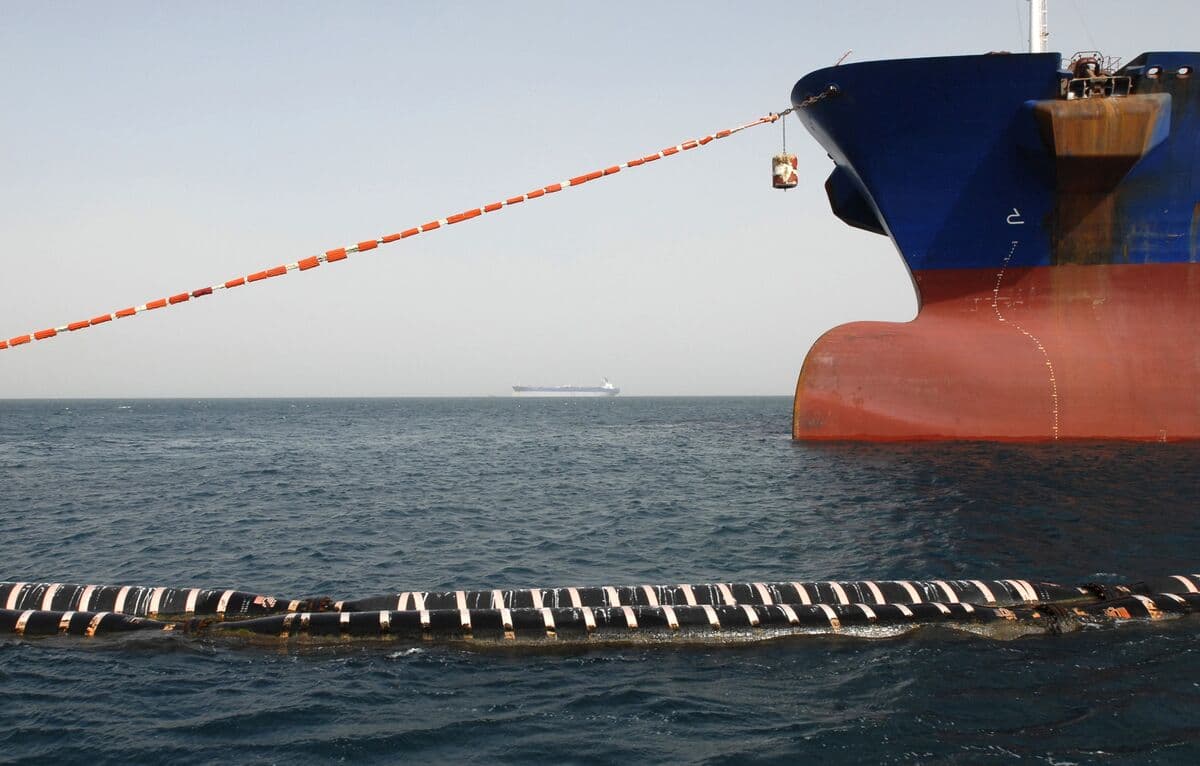
conflict hotspot
UNCERTAIN
What was the average number of ships transiting the Strait of Hormuz at the end of November 2026?
Iran reports LNG tanker hit by naval mine in Hormuz
The incident occurred on Friday after the vessel allegedly used an unauthorized route through the strategic waterway. This follows a series of similar reports from Iranian authorities regarding tankers striking mines in the region. The ongoing maritime instability continues to disrupt shipping and maintain pressure on global energy markets.
reuters, bloomberg public reporting
NEXT FOCUS
Publication of end-November Strait of Hormuz transit counts or average ship transits
If official or credible end-November average transit data for the Strait of Hormuz is published, compare it with the market threshold.
The supplied timeline confirms sustained escalation of attacks on ships in the Strait of Hormuz from early October through 11 November 2026, including record-high October attack reports, cargo-ship sinkings, slowing oil exports, resilient tanker traffic, and an oil-price rebound as hopes for an Iran truce faded. The evidence does not provide the actual average number of ships transiting the Strait at end-November 2026, so the primary transit-count market remains unresolved.
A truce or more US-coordinated crossings could lift traffic above the range, but published daily counts remain at the low end, supporting a Yes probability above the quote.
Analysis /
Future Paths & ActionsTriggerIf official or credible end-November average transit data for the Strait of Hormuz is published, compare it with the market threshold.
ImplicationYes: conditional, No: conditional
What it meansThis is the direct resolution data for the market. If the published end-November average transit count is above the market's threshold, YES would be supported and NO weakened; if it is below, the opposite. Because the supplied market data does not state the threshold or data source, the direction is conditional.
TriggerIf new reports show attacks on vessels continuing at elevated or record levels, shipping disruption risk remains; if attacks cease for a sustained period, disruption risk declines.
ImplicationYes: conditional, No: conditional
What it meansContinued elevated attacks on ships would likely depress average transits through Hormuz, while sustained abatement would support higher transits. The effect on YES versus NO depends on the market's unspecified count threshold or bucket, so direction is conditional.
TriggerIf an official truce or ceasefire is announced, or if verifiable sustained reduction in attacks follows, reassess the shipping-risk outlook.
ImplicationYes: conditional, No: conditional
What it meansA credible truce or ceasefire could reduce shipping risk and support higher transit counts, while failed or stalled truce progress could keep disruption elevated. Whether that favors YES or NO depends on the market's unspecified threshold, so the direction is conditional.
TriggerIf reports confirm tankers continue transiting and crude flows continue despite attacks, transit-count expectations may remain supported; if transits stop or sharply fall, the market outlook shifts.
ImplicationYes: conditional, No: conditional
What it meansIf tankers continue transiting and crude flows continue despite attacks, end-November average transits may remain supported; if transits stop or fall sharply, the average may decline. The impact on YES versus NO remains conditional because the market's count threshold is not supplied.